Your Peace Is Worth Protecting: Set Healthier Boundaries. By SaiSavior Editorial Team Faith • Wisdom • Wellbeing + Follow for More Insights Join readers exploring Faith • Wisdom • Wellbeing — simple thoughts, timeless wisdom and practical inspiration for a calmer, kinder and more meaningful life. Your peace is worth protecting. Learn how healthier boundaries can help you say no without guilt, manage other people's expectations, protect your time and emotional wellbeing, and build relationships based on mutual respect. What are healthy boundaries? Healthy boundaries are clear, respectful limits that protect your time, energy, values and wellbeing. They help you decide what you can accept, what you are comfortable giving, and how you will respond when something crosses your limits. Have you ever said yes when every part of you wanted to say no? Perhaps someone asked for a favour when you were already exhaust...
Written by SaiSavior Team
🙏 Join our community for daily spiritual thoughts and practical wisdom.
Follow SaiSavior on Blogger
Who was Shirdi Sai Baba, and why do his teachings continue to inspire millions of spiritual seekers worldwide? Living as a humble saint in 19th-century India, Sai Baba bridged religious divides with his message of unity, compassion, and divine trust.
Quick Answer
Shirdi Sai Baba was a revered Indian spiritual master who taught unity, self-realization, and selfless service. He emphasized two core principles: Shraddha (unwavering faith) and Saburi (patient endurance). His signature declaration, "Sabka Malik Ek" (One God Governs All), highlights his universal message that transcends distinct religious boundaries.
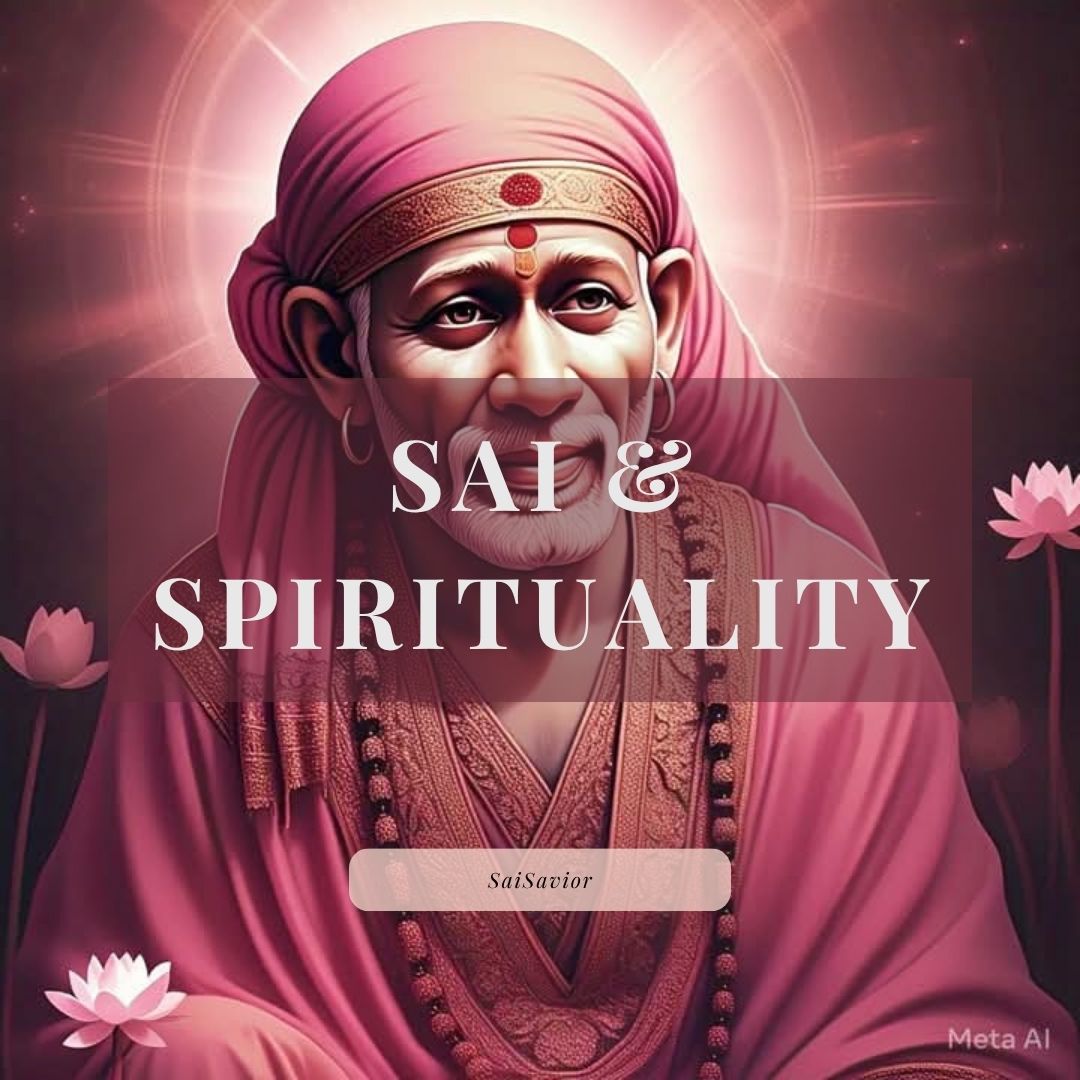
Shirdi Sai Baba embodied unconditional love, simplicity, and spiritual wisdom.
In an era marked by division, fast-paced lifestyles, and constant distraction, the quiet wisdom of a saint who lived under a neem tree in Shirdi continues to offer deep solace and practical guidance. Sai Baba wore a simple torn robe (kafni), spent his days sitting in a dilapidated mosque he named Dwarakamayi, and asked for nothing more than devotion, humility, and love. Decades after his physical departure in 1918, his reach has expanded across the globe.
| Key Attribute | Details |
|---|---|
| Main Abode | Shirdi, Maharashtra, India (Dwarakamayi Mosque) |
| Era | Late 19th Century – October 15, 1918 |
| Core Philosophy | Universal Unity, Shraddha (Faith) & Saburi (Patience) |
| Central Motto | "Sabka Malik Ek" (One God Governs All) |
| Key Practices | Selfless Service (Seva), Charity, Ego-Dissolution, Compassion |
1. The Mystic Without Boundaries
One of the most remarkable aspects of Shirdi Sai Baba’s life was his complete refusal to be categorized. When asked whether he was a Hindu guru or a Muslim Sufi fakir, Sai Baba avoided rigid labels. He celebrated both Hindu and Islamic festivals, quoted scriptures from multiple traditions, and welcomed everyone regardless of caste, creed, or background.
His famous proclamation—"Sabka Malik Ek" (One God governs all)—was not merely a slogan; it was a daily practice. In a world often fractured by external differences, Sai Baba created a sanctuary where all were treated as equal manifestations of the divine.
2. The Two Pillars: Shraddha and Saburi
At the heart of Sai Baba’s spiritual framework rest two essential qualities:
1. Shraddha (Unwavering Faith)
Deep conviction, spiritual love, and trust in the Divine. It is not blind ritualism, but an abiding inner confidence that a higher power is guiding your path.
2. Saburi (Patient Endurance)
The quiet strength to wait with grace. Saburi teaches us that spiritual and personal growth cannot be rushed, and that patience is the vessel through which faith matures.
Together, Shraddha and Saburi form a complete blueprint for emotional balance and inner peace.
3. Practical Wisdom for Modern Daily Living
Sai Baba did not lecture extensively or write heavy theological treatises. Instead, he taught through simple parables, quiet actions, and direct personal interaction:
- Selfless Service (Seva): He personally cooked food in large iron pots (handis) to distribute to villagers and visitors.
- Compassion to All Beings: He treated animals with the same gentleness as humans, reminding devotees that the same divine spark resides in every living organism.
- Detachment from Ego: He warned constantly against pride, vanity, and material greed, urging a life centered on spiritual contentment.
4. How to Apply His Teachings Today
Integrating Sai Baba’s essence into modern life doesn't require withdrawing from the world. It involves changing our internal approach to daily challenges:
- Practice Daily Patience: When faced with delays or obstacles, pause and remind yourself of Saburi.
- Perform Anonymous Kindness: Help someone in need without seeking recognition or reward.
- Focus on Universal Unity: Look past superficial differences in others and focus on shared humanity.
Context: Historical accounts from the Shri Sai Satcharita show that Shirdi was transformed from an obscure hamlet into a bustling pilgrimage site purely through the transformational aura of Sai Baba's presence. His life demonstrated that genuine spiritual authority requires no material wealth, political power, or grand institutions—only pure love and devotion.
"If you look to me, I look to you. If you cast your burden on me, I shall bear it."
— Shirdi Sai Baba (Recorded in Shri Sai Satcharita)
This article is curated by the editorial team at SaiSavior, dedicated to presenting authentic spiritual insights, historical context, and practical guidance for contemporary living.
Related Reads on SaiSavior:
Quick Summary
- Who He Was: A universal saint who lived in Shirdi, teaching love, unity, and selfless service.
- Core Principle: "Sabka Malik Ek" (God is One).
- Two Key Virtues: Shraddha (Faith) and Saburi (Patience).
- Modern Takeaway: Cultivate quiet patience during hardships and extend unconditional kindness to everyone around you.
Frequently Asked Questions
Q: What does "Sabka Malik Ek" mean?
It translates to "One God governs all," highlighting the underlying unity of all religious and spiritual paths.
Q: What is the difference between Shraddha and Saburi?
Shraddha is firm faith and devotion, while Saburi is patience and perseverance through life's trials.
Q: Can anyone follow Shirdi Sai Baba's teachings regardless of religion?
Yes. Sai Baba’s teachings are non-denominational and welcome individuals of all faiths, backgrounds, and beliefs.
Comments
Post a Comment