Your Peace Is Worth Protecting: Set Healthier Boundaries. By SaiSavior Editorial Team Faith • Wisdom • Wellbeing + Follow for More Insights Join readers exploring Faith • Wisdom • Wellbeing — simple thoughts, timeless wisdom and practical inspiration for a calmer, kinder and more meaningful life. Your peace is worth protecting. Learn how healthier boundaries can help you say no without guilt, manage other people's expectations, protect your time and emotional wellbeing, and build relationships based on mutual respect. What are healthy boundaries? Healthy boundaries are clear, respectful limits that protect your time, energy, values and wellbeing. They help you decide what you can accept, what you are comfortable giving, and how you will respond when something crosses your limits. Have you ever said yes when every part of you wanted to say no? Perhaps someone asked for a favour when you were already exhaust...
Written by SaiSavior Team
🙏 Join our community for daily spiritual thoughts and practical wisdom.
Follow SaiSavior on Blogger
How can simple, intentional acts of compassion heal divisions and uplift our shared human experience? By choosing empathy in our everyday interactions, we create ripple effects of warmth, understanding, and collective wellbeing.
Quick Answer
Cultivating compassion involves recognizing our shared humanity and taking small, actionable steps to uplift others. Key practices include: offering genuine words of appreciation, practicing non-judgmental empathy, supporting community wellbeing, and extending patience to strangers in moments of stress.
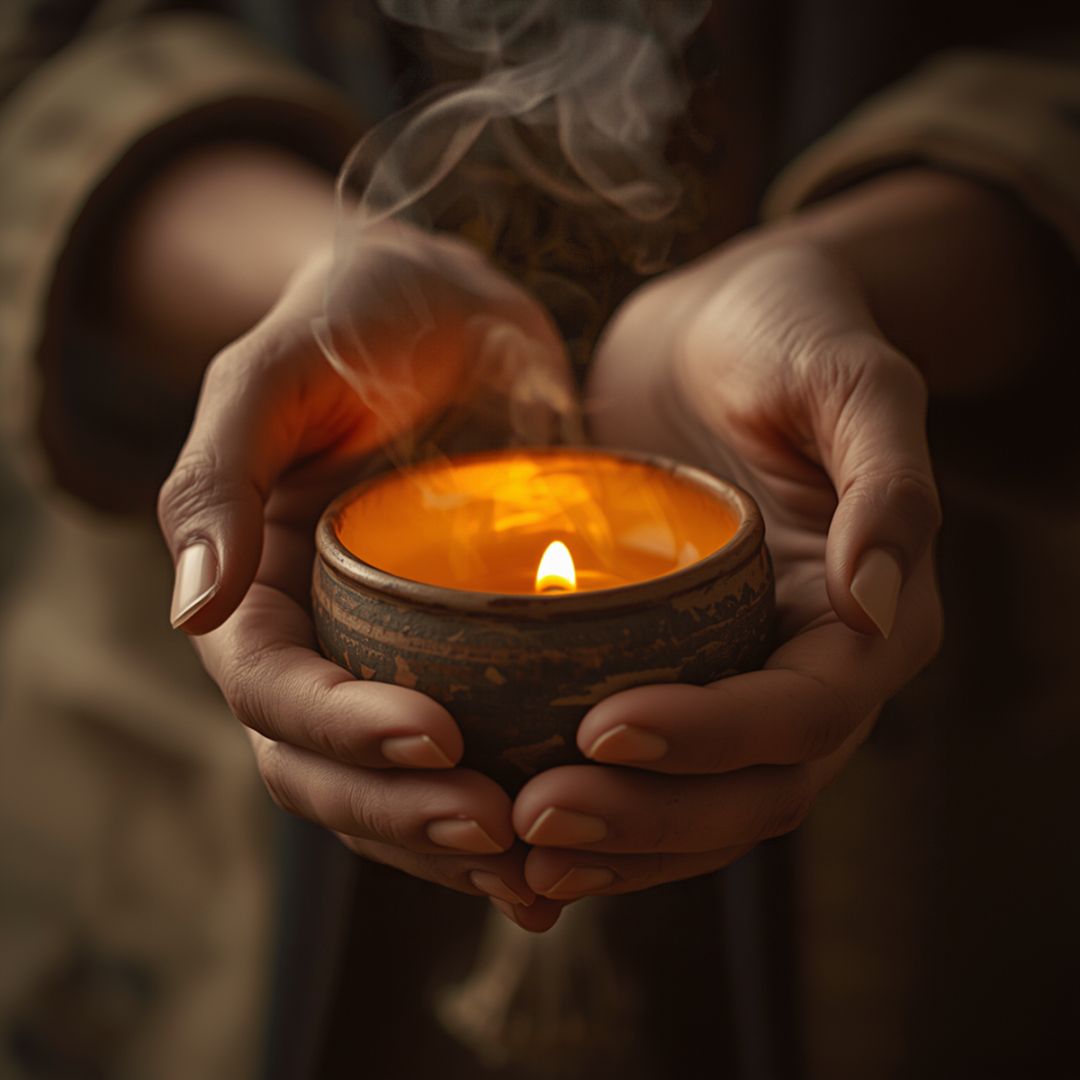
Every small act of kindness illuminates the shared journey of humanity.
In a world that often emphasizes individual achievement and fast-paced living, it is easy to feel disconnected from those around us. Yet, beneath our varied backgrounds and life stories lies a common desire: to be seen, heard, and cared for. Compassion is not a passive emotion; it is an active practice that restores trust, softens conflicts, and reminds us of our fundamental interconnectedness.
| Compassionate Act | Impact on Community | Practical Action Step |
|---|---|---|
| Unconditional Patience | De-escalates Stress | Respond with calmness when faced with impatience in public |
| Active Encouragement | Boosts Morale | Acknowledge someone's effort with a sincere compliment |
| Shared Service | Strengthens Bonds | Volunteer or support local community causes regularly |
| Inclusive Kindness | Reduces Isolation | Greet neighbors and workers with warm, eye-contact smiles |
| Self-Compassion | Sustains Energy | Practice forgiveness towards yourself during difficult times |
1. See the Shared Humanity in Others
When we encounter strangers or individuals with different viewpoints, it is easy to view them through a lens of judgment. However, true empathy begins when we acknowledge that everyone is carrying unseen burdens and navigating their own struggles.
By consciously shifting our perspective from "How does this affect me?" to "What might this person be experiencing?", we open the door to understanding and genuine human warmth.
2. The Ripple Effect of Micro-Kindness
Grand philanthropic gestures are wonderful, but the foundation of a compassionate society lies in tiny, everyday interactions. A warm smile, holding a door open, or offering a genuine thank-you to service staff creates a positive wave that spreads far beyond the moment.
The Daily Kindness Challenge
Commit to doing one intentional act of kindness every day without expecting anything in return—whether it's sending an uplifting note, helping a neighbor, or offering sincere praise.
3. Practice Compassionate Listening
In times of conflict or distress, people rarely need arguments or immediate logic; they need to feel heard and validated.
- Offer Open Space: Allow others to express their thoughts without interrupting or correcting them immediately.
- Choose Understanding Over Winning: Focus on restoring harmony and mutual respect rather than proving a point.
4. Remember Self-Compassion
You cannot pour from an empty cup. Extending kindness to others becomes natural and sustainable only when you treat yourself with gentle understanding.
- Forgive Your Mistakes: Treat your setbacks as learning experiences rather than personal failures.
- Rest Without Guilt: Honor your boundaries and give yourself time to recharge when mentally drained.
Context: Humanity thrives when we choose connection over isolation and empathy over indifference. Small acts of care, extended consistently, transform neighborhoods and society as a whole.
"Love all, serve all. Help ever, hurt never."
— Universal Spiritual Wisdom
This post is curated by the editorial team at SaiSavior, dedicated to sharing practical inspiration for a calmer, kinder, and more meaningful life.
Related Reads on SaiSavior:
Quick Summary
- Shared Humanity: Recognize that everyone carries hidden struggles.
- Micro-Kindness: Small daily acts create widespread positive impact.
- Listen Softly: Value harmony and connection over winning arguments.
- Self-Compassion: Be gentle with yourself to keep your heart open to others.
Frequently Asked Questions
Q: How can I stay compassionate when people are ungrateful or rude?
Remind yourself that another person's reaction reflects their internal state, not your value. Kindness is a reflection of who you choose to be.
Q: Can small acts of kindness really change anything globally?
Yes. Society is made up of individual interactions. When you inspire someone through kindness, they are far more likely to pass it along to others.
Q: How does self-compassion help me care for others better?
When you treat yourself with patience and forgiveness, you reduce inner frustration and burnout, giving you greater capacity to support those around you.
Comments
Post a Comment